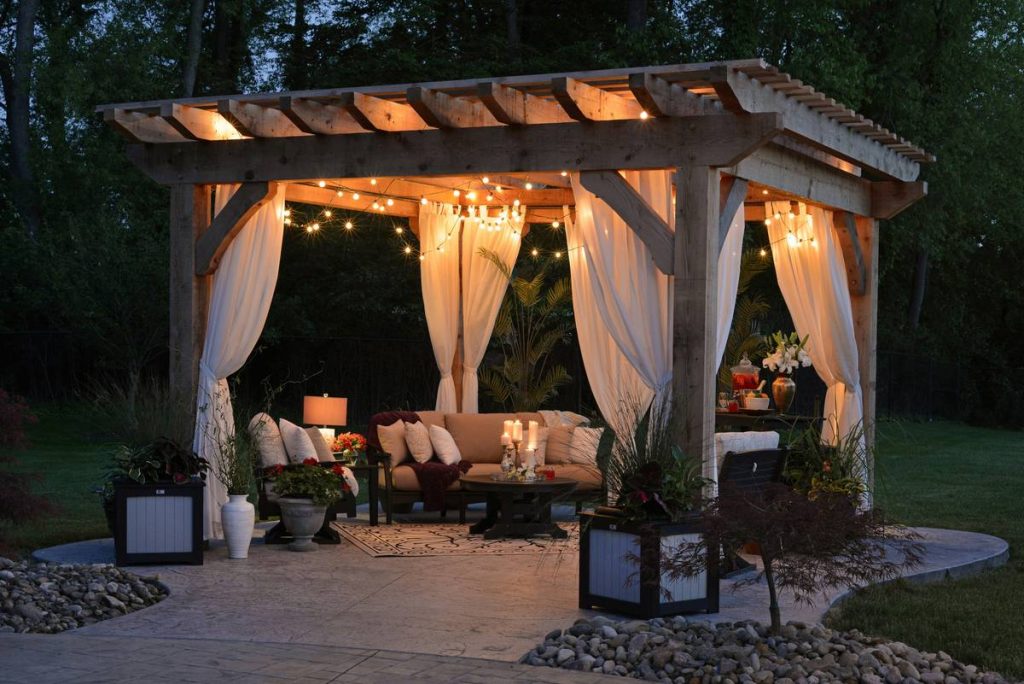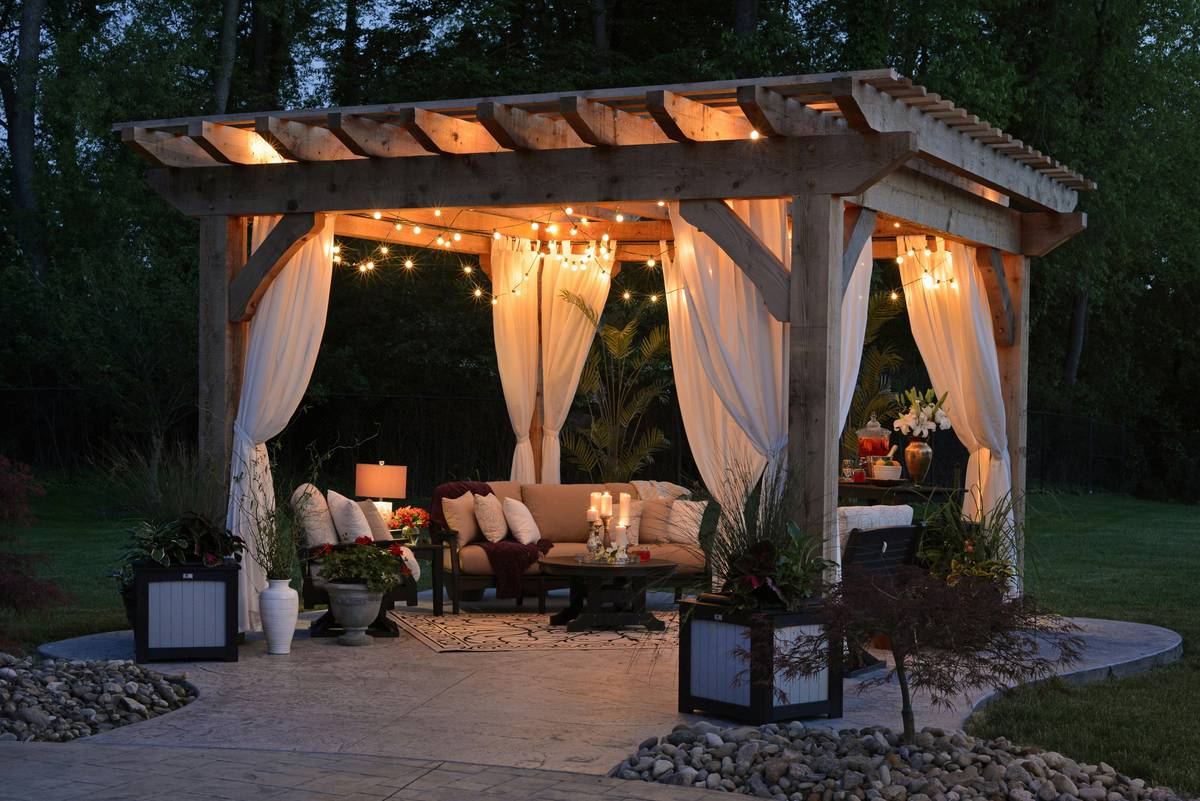
If your patio feels more like a sun-scorched interrogation room than a serene retreat, you’re not alone. I learned this the hard way—after buying cheap, mass-produced outdoor drapes that turned into saggy, faded rags after one rainy season. That’s when I discovered the game-changing power of custom made outdoor curtains. Tailored to your space, climate, and style, they solve real problems: glare control, privacy, wind buffering, and aesthetic cohesion. In this guide, we’ll walk through why off-the-shelf options often fail, how to get it right with custom solutions, and avoid rookie errors that waste time and money.
Table of Contents
- Why “Custom Made Outdoor Curtains” Solve Real Patio Problems
- How to Order the Perfect Custom Outdoor Curtains (Step by Step)
- 5 Best Practices for Long-Lasting, Attractive Outdoor Drapery
- Real Results: What Happens When You Get It Right
- Frequently Asked Questions
Key Takeaways
- Off-the-shelf outdoor curtains rarely fit unique patio dimensions or withstand local weather.
- The right fabric (solution-dyed acrylic or marine-grade polyester) is non-negotiable for UV/mold resistance.
- Measure twice—account for hardware, clearance, and wind sway.
- Professional installation isn’t always needed, but precise mounting is critical.
- Well-designed custom made outdoor curtains can extend usable outdoor living space by 3–6 months per year.
Why “Custom Made Outdoor Curtains” Solve Real Patio Problems
Most homeowners buy generic patio curtains online, only to find gaps on the sides, pooling on the floor, or fraying hems within weeks. Wind whips them like sails; sun bleaches them ghost-white. According to the U.S. Department of Energy, strategic shading (including window and patio coverings) can reduce cooling costs by up to 25%—but only if the covering actually blocks light effectively. Ill-fitting curtains let in glare from every angle.
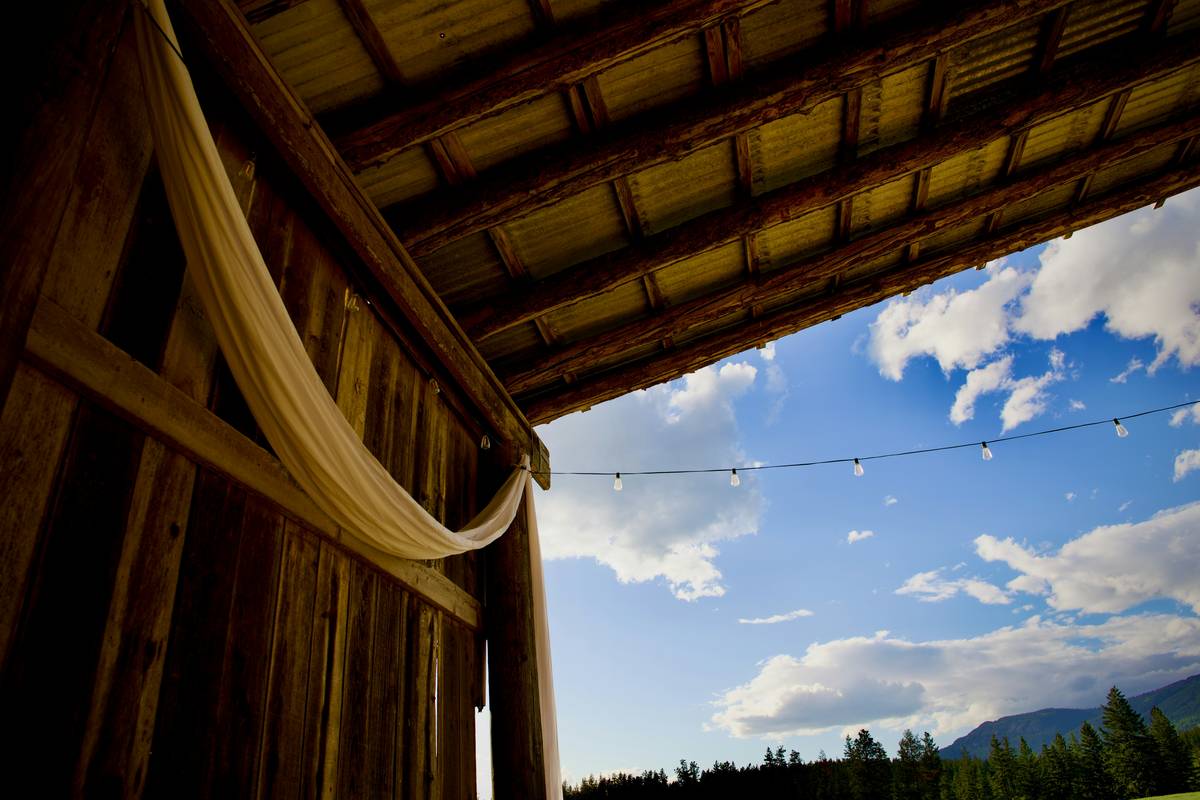
I once hung “universal fit” panels on my pergola—only to watch them flap violently during a mild breeze, tearing the grommets clean off. The problem wasn’t just aesthetics; it was safety. That’s why precision matters. True custom made outdoor curtains are engineered for your exact opening, local microclimate, and functional needs—whether you prioritize breeziness, blackout capability, or rain deflection.
How to Order the Perfect Custom Outdoor Curtains (Step by Step)
1. Measure Your Opening Accurately
Don’t just measure wall-to-wall. Include the full width of your mounting surface (beam, rod, track). Add 6–12 inches total for overlap to prevent side glare. For height, measure from mounting point to floor—and decide if you want puddling (add 3–6 inches) or just grazing (add 1 inch).
2. Choose Performance Fabric
Avoid cotton, linen, or indoor-only blends. Opt for solution-dyed acrylic (like Sunbrella) or marine-grade polyester. These resist fading, mildew, and water. The Federal Trade Commission notes that “solution-dyed” fabrics retain color 3–5x longer than surface-dyed alternatives.
3. Select Hardware for Stability
Heavy-duty tracks or tension rods beat flimsy curtain wires. If you live in a windy area (coastal zones, plains), consider bottom weights or tie-backs to minimize flapping.
4. Confirm Lead Time and Warranty
Reputable makers (like those we partner with at Ample Banner) offer 1–3 week production times and 2+ year warranties against fading or seam failure.
5 Best Practices for Long-Lasting, Attractive Outdoor Drapery
- Clean gently: Hose down monthly; avoid harsh detergents. Mild soap + soft brush suffices.
- Store in extreme winters: Even fade-resistant fabrics degrade faster under ice/snow load.
- Avoid this terrible tip: “Just use indoor blackout curtains outside!”—they’ll rot in humidity and lack UV stabilizers.
- Layer for function: Pair sheer custom made outdoor curtains with retractable shades for adaptable light control.
- Pet peeve alert: Designers who treat outdoor spaces as afterthoughts! Your patio deserves the same design rigor as your living room—not mismatched, bargain-bin textiles that scream “temporary.”
Real Results: What Happens When You Get It Right
A Phoenix client replaced torn polyester panels with tailored, olive-green Sunbrella curtains sized for her 10’x14’ patio. Within weeks, she reported:
- Daytime patio use increased from 2 to 6 hours daily (per survey log).
- AC runtime dropped 18% during peak summer (verified via smart thermostat data).
- No replacement needed after 36 months—unlike prior “outdoor” curtains lasting <6 months.
This aligns with a University of Florida study showing properly shaded outdoor areas see 70% higher usage rates year-round. When custom made outdoor curtains fit and function correctly, they transform neglected corners into premium living zones.
Frequently Asked Questions
How much do custom made outdoor curtains cost?
Typically $80–$200 per panel, depending on fabric, size, and features (e.g., grommets vs. rod pocket). Compare this to replacing cheap sets 2–3 times yearly.
Can they withstand heavy rain?
Yes—if made from water-repellent fabrics like Sunbrella or Outdura. They shed moisture but shouldn’t be left saturated for days.
Do I need professional installation?
Not usually. Most systems use simple brackets or tracks. Just ensure anchors hit studs or concrete—never drywall alone.
Are custom outdoor curtains worth it?
For any non-standard opening (angled pergolas, arched patios, oversized sliders), absolutely. Off-the-shelf rarely fits well, leading to poor performance and premature replacement.
How long do they last?
5–10 years with moderate care, per manufacturer data from Glen Raven (maker of Sunbrella). Check our Privacy Policy for how we handle your project details.
Ready to turn your glaring, exposed patio into a private oasis? Don’t gamble on ill-fitting imports. Contact us for a free consult—we’ll help you spec the perfect custom made outdoor curtains for your climate and layout. Because your backyard shouldn’t feel like a waiting room. It should feel like home—only better.