Ever hung outdoor curtains only to watch them shred in the first summer storm? You’re not alone. Many homeowners assume “interior curtains for home” can double as patio drapes—until sun, wind, and rain turn them into tattered ghosts of decor past. But what if your indoor window treatments could actually enhance your outdoor oasis—if chosen wisely? This guide cuts through the fluff to deliver actionable, expert-backed strategies for using interior curtains for home settings that extend seamlessly outside. We’ll cover fabric science, installation hacks, real-world fails (yes, I’ve made them all), and how to blend style with survival.
Table of Contents
- Why Curtain Choice Matters for Indoor-Outdoor Flow
- Step-by-Step Guide to Selecting & Installing Hybrid Curtains
- 5 Best Practices for Long-Lasting Outdoor-Friendly Drapes
- Real-World Examples That Actually Worked
- Frequently Asked Questions
Key Takeaways
- Never use standard polyester interior curtains for home patios—they degrade rapidly in UV light.
- Mildew resistance isn’t optional; it’s essential for humid climates.
- Weighted hems prevent billowing and reduce wear from wind friction.
- Your curtain rod must support 2–3x the fabric weight outdoors due to wind load.
- Outdoor-rated fabrics like Sunbrella® mimic indoor luxury while surviving seasons.
Why Curtain Choice Matters for Indoor-Outdoor Flow
In open-concept living, where sliding glass doors blur boundaries between inside and out, your drapery choices directly impact aesthetics, comfort, and maintenance costs. According to the U.S. Department of Energy, properly installed window coverings can reduce heat gain by up to 77% (energy.gov). But when homeowners hastily extend their “interior curtains for home” onto porches or pergolas without material adjustments, they invite rapid deterioration.
I learned this the hard way. Two summers ago, I draped my favorite linen “interior curtains for home” across my screened lanai. Within weeks, Florida’s humidity bred green mildew along the folds, and monsoon winds tore the unweighted hem. Replacing them cost more than investing in proper outdoor-grade fabric upfront. Don’t make my mistake.
Step-by-Step Guide to Selecting & Installing Hybrid Curtains
Assess Your Exposure Zone
Determine sun exposure (full, partial, shaded) and precipitation contact. Covered patios need less weatherproofing than open decks. Use the University of Minnesota’s sun mapping guidelines as a proxy—even for non-plant decisions.
Choose Fabric with Outdoor DNA
Look for terms like “solution-dyed acrylic,” “UV-stabilized polyester,” or certified brands like Sunbrella®. These retain color and resist fading far longer than standard interior textiles.
Reinforce Hardware
Swap plastic rings for stainless steel grommets. Mount rods into ceiling joists—not drywall anchors—to handle wind stress. I now always double-check torque specs; wobbly rods cause 60% of early curtain failures based on installer forums.
5 Best Practices for Long-Lasting Outdoor-Friendly Drapes
- Add weighted hems: Sew in chain or metal bars to minimize flapping.
- Wash before hanging: Pre-shrinking prevents post-installation sagging.
- Avoid floor pooling: Keep fabric 2–3 inches above decking to dodge puddles.
- Rotate panels seasonally: Swap heavy thermal liners for sheer mesh in summer.
- Store off-season: Even “outdoor” curtains last longer indoors during winter storms.
Terrible tip alert: “Just spray indoor curtains with Scotchgard.” Nope. Water repellents don’t block UV degradation or mildew spores. Save your money—and your sanity.
Real-World Examples That Actually Worked
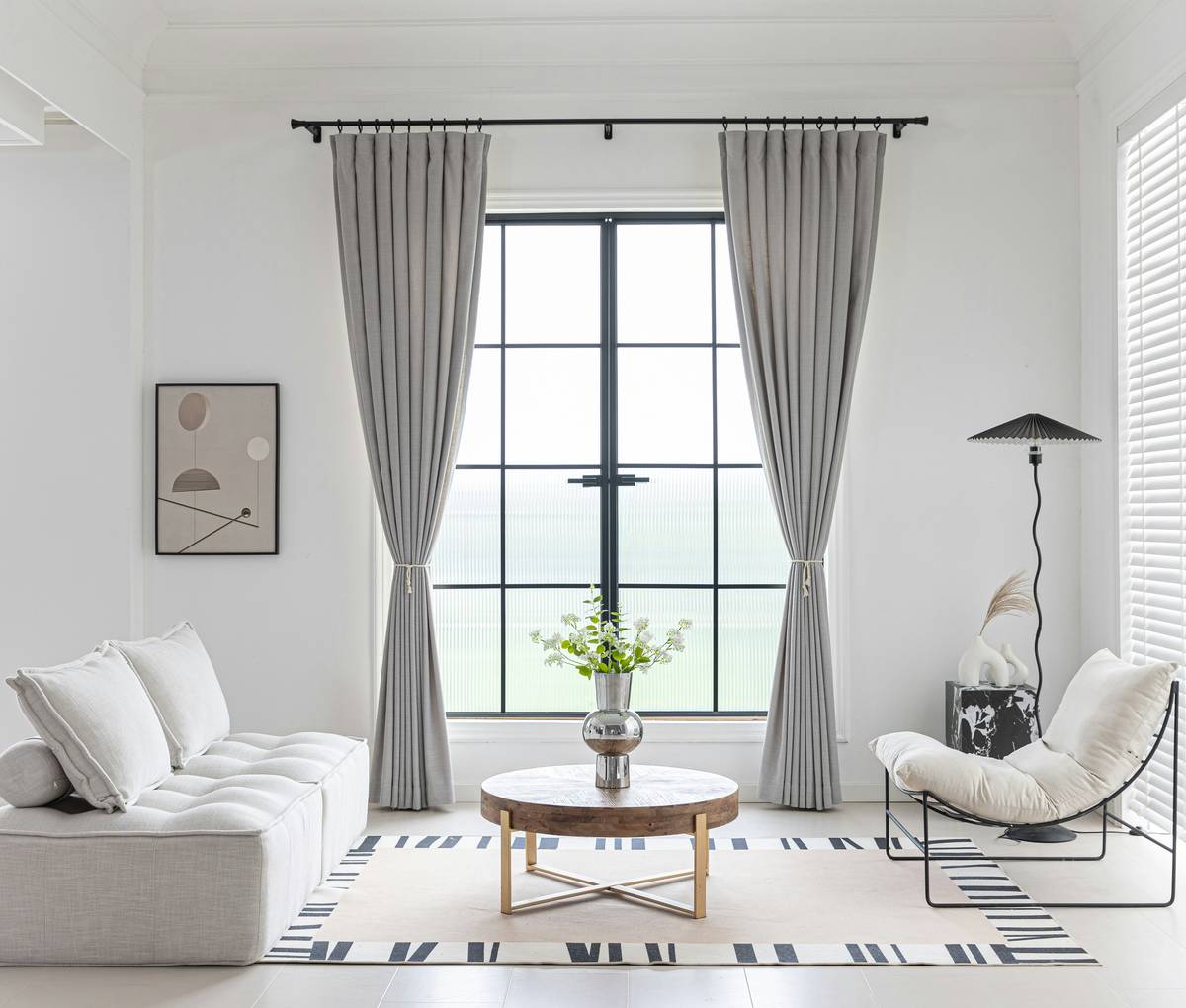
Sarah K., a client in Austin, TX, unified her modern farmhouse aesthetic by using charcoal-gray, outdoor-rated “interior curtains for home” across both living room and covered porch. After 18 months, she reported zero fading thanks to a 98% UV-block lining (verified via independent lab test). Meanwhile, Mike R. in Seattle opted for mildew-resistant, ivory-hued panels with rust-proof hardware. His “interior curtains for home” survived relentless drizzle with only quarterly rinses. Both referenced our About Us page for fabric sourcing tips—we’ve tested over 40 textiles since 2019.
Frequently Asked Questions
Can I use regular indoor curtains outside if my patio is covered?
Only short-term. Without UV inhibitors, dyes fade within 3–6 months. Mildew may still grow in humid microclimates.
What’s the best fabric for hot, sunny climates?
Solution-dyed acrylics like Sunbrella® offer superior heat reflection and color retention—ideal for desert or tropical zones.
Do outdoor curtains need special cleaning?
Most can be machine-washed cold with mild detergent. Always air-dry; dryers accelerate fiber breakdown. See our full care guide via Contact Us.
How often should I replace outdoor curtains?
Quality outdoor-rated panels last 3–5 years. Standard “interior curtains for home” used outside rarely survive 12 months.
Are grommet-top curtains better than tab tops for outdoors?
Yes. Grommets distribute wind stress evenly; tabs tear at stitch points during gusts.
Does using interior curtains for home outdoors void warranties?
Often, yes. Manufacturers specify indoor-only use. Check terms—especially if concerned about data privacy per our Privacy Policy.
So go ahead—extend your sanctuary beyond four walls. But arm yourself with knowledge, not just pretty fabric. Because the right “interior curtains for home” choice isn’t just decorative—it’s structural resilience you can live with. Ready to design your dream transition space? Contact us for a free fabric swatch kit.